

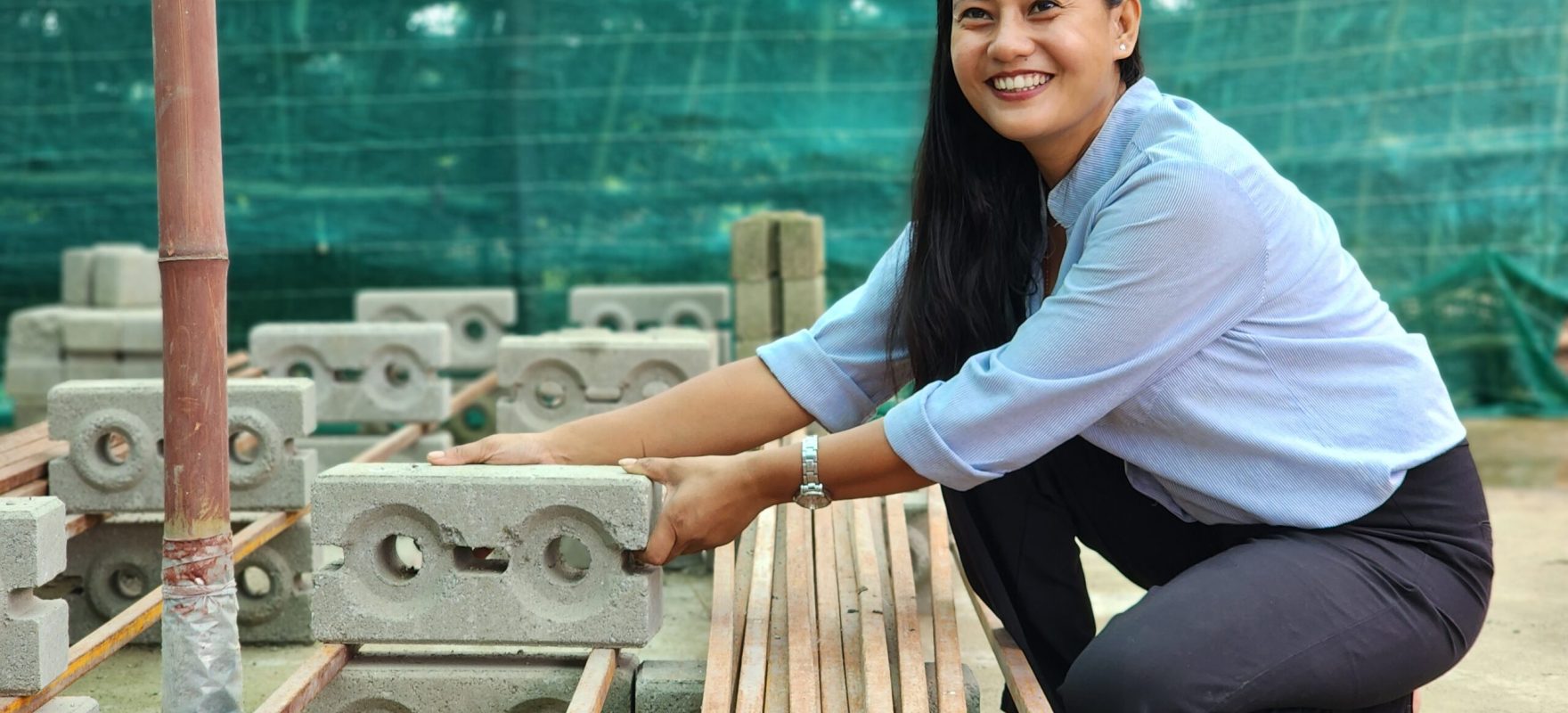
Turning Soil into Safety: Interlocking Bricks That Withstand Quakes and Slash Costs
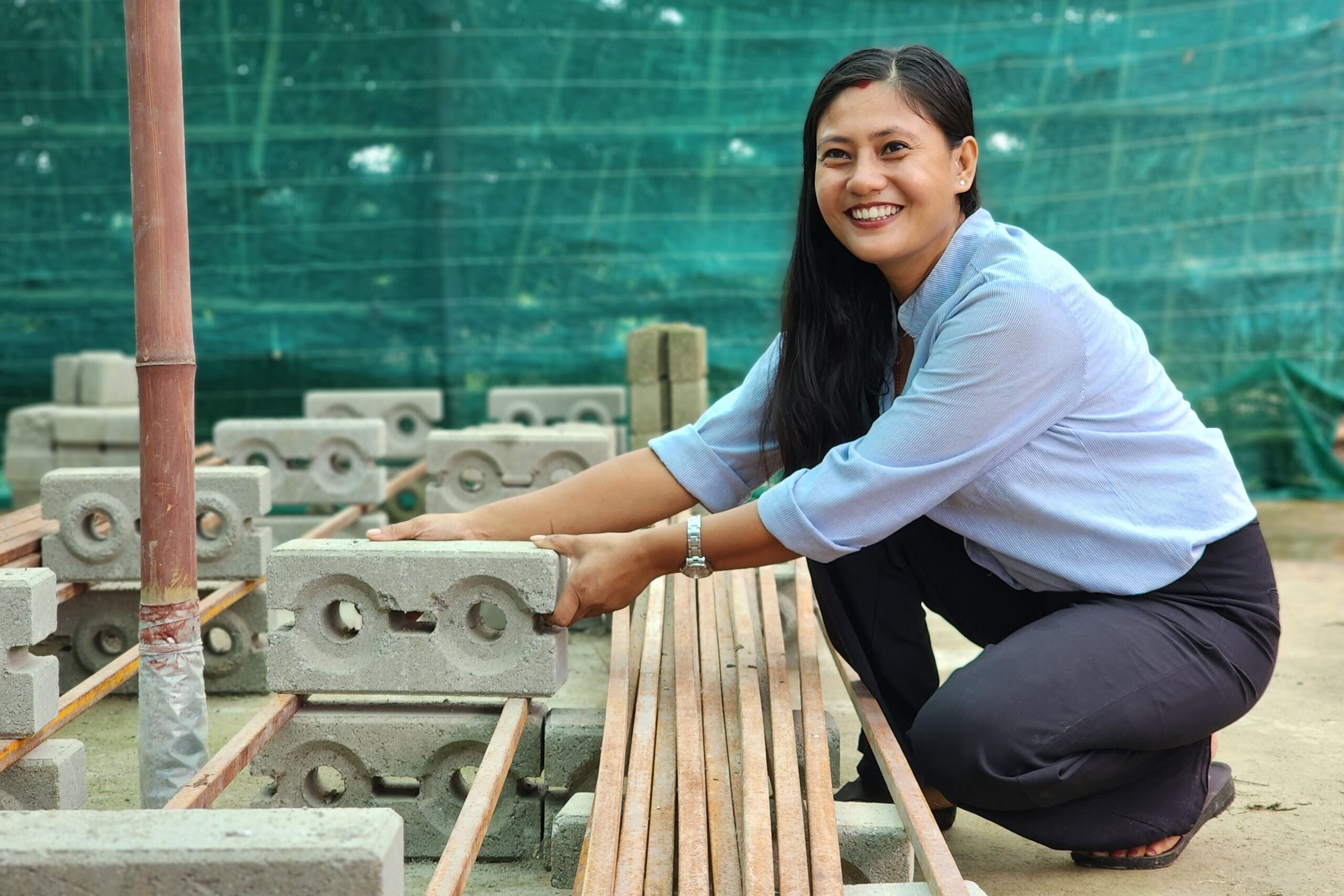
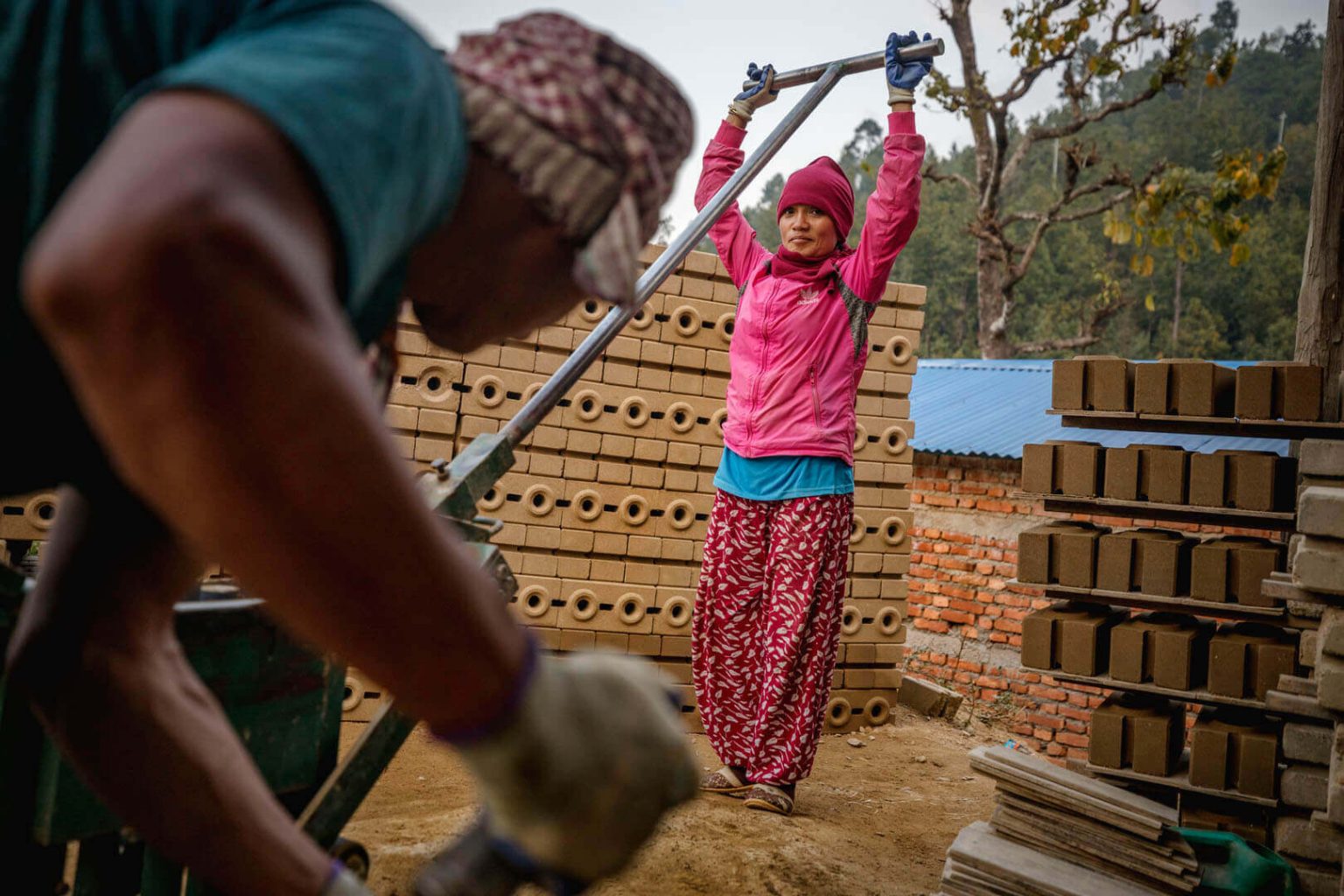
Build up Nepal is revolutionizing construction in Nepal by introducing interlocking Compressed Stabilized Earth Bricks (CSEB), a green and cost-effective alternative to traditional fired clay bricks. Founded after the devastating 2015 earthquake, this initiative empowers local entrepreneurs to produce eco-friendly bricks with locally sourced materials and manual machines, cutting out the need for energy-intensive kiln firing. This approach reduces CO2 emissions by 75–90% and lowers wall construction costs by 40–50% compared to conventional methods, making safe, affordable housing possible for low-income communities in disaster-prone areas.
Essential Marketing Knowledge Awaits
Technically, CSEBs offer high compressive strength (6–12 MPa with proper compaction and mix design) and are combined with engineered reinforcement to ensure seismic resilience. This has been proven in recent earthquakes, where Build up Nepal homes remained intact and undamaged. Their decentralized production model fosters local businesses, generating jobs and retaining value within communities. By 2025, Build up Nepal has contributed to the construction of over 11,000 homes, created more than 3,400 jobs, and cut over 110,000 tons of CO2 emissions.
The interlocking CSEB has been officially incorporated into Nepal’s Building Code since 2017, recognized as both structurally sound and environmentally sustainable.
Why this matters now
- Climate: Avoiding kiln firing directly lowers embodied carbon at the pace required for construction-sector decarbonization in developing contexts.
- Resilience: Proven performance in a major quake demonstrates life-safety benefits when paired with proper design and reinforcement.
- Equity: Local production and cost reductions of around 40–50% improve access to safe housing for low-income and remote communities.
This initiative showcases how sustainable building materials and community-driven models can transform housing, reduce environmental impact, and foster economic growth in vulnerable regions.
For more details, visit: